
Categories
New Products [more]
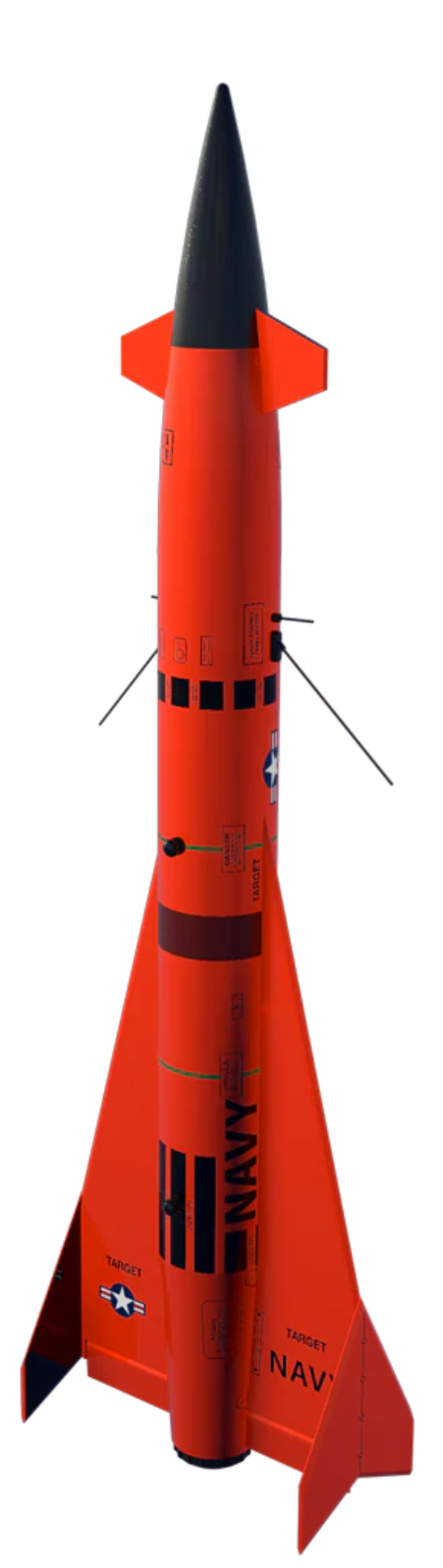
Pro Series II Jayhawk Model Rocket Kit
[Add to cart to see our price]

Timewarp Model Rocket Kit
[Add to cart to see our price]
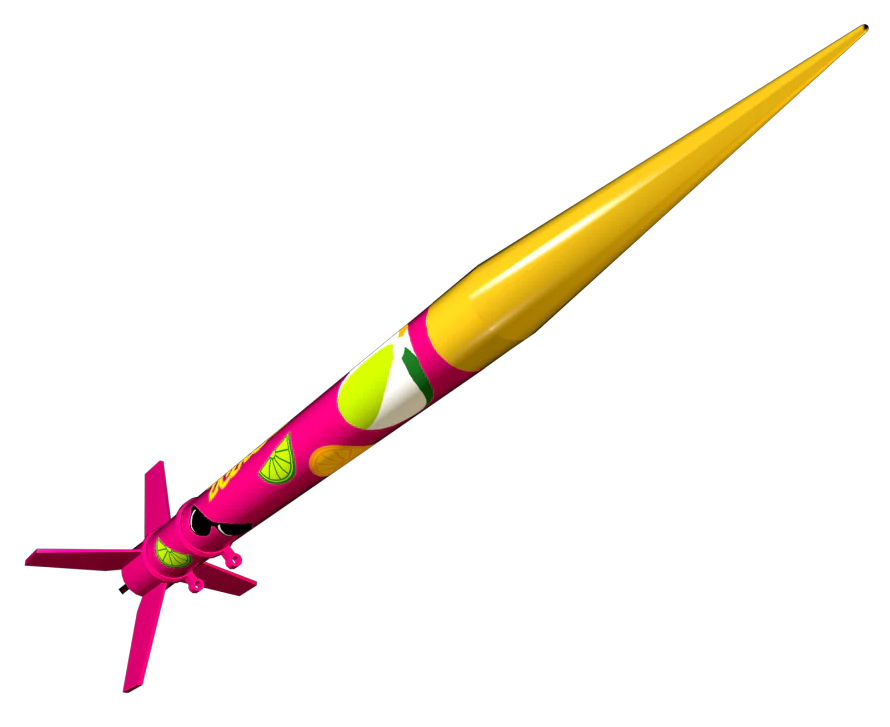
Sun-Sational Model Rocket Kit
[Add to cart to see our price]
Motors (Engines)
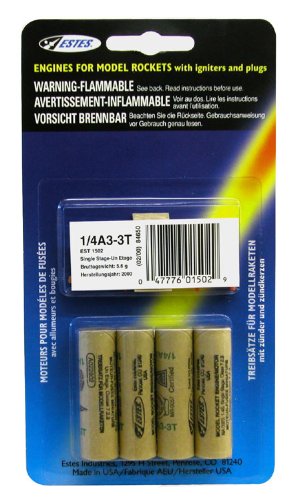

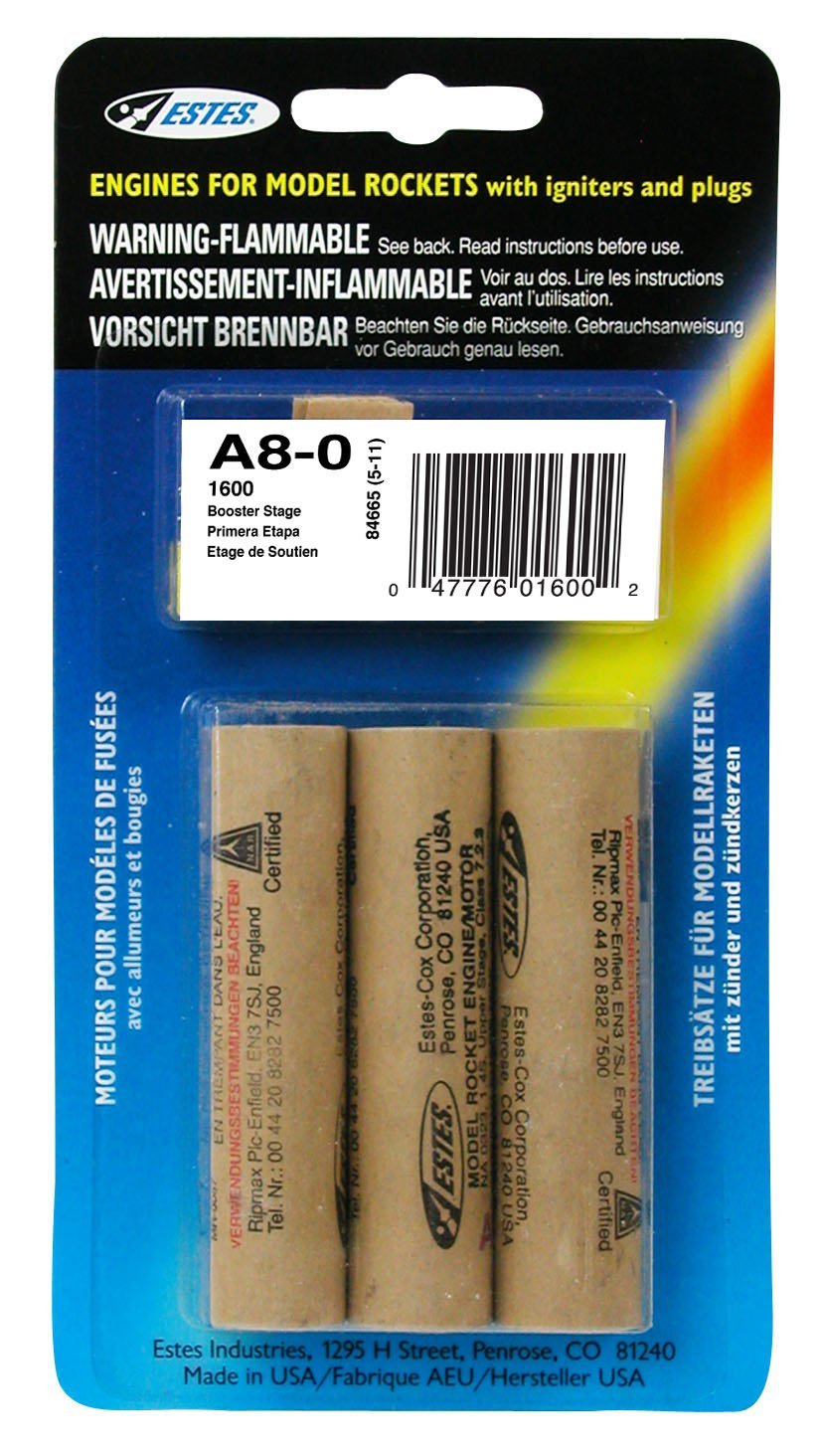

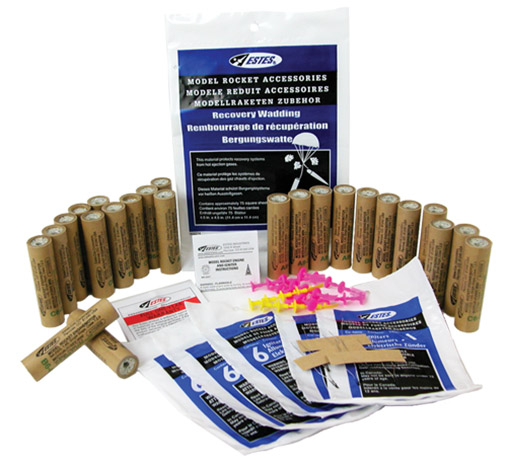
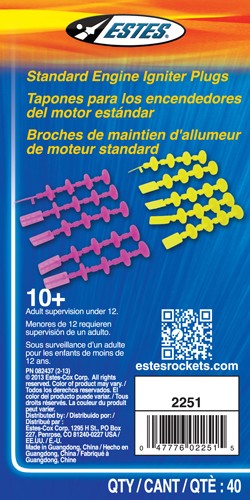
To choose the right motor for your model rocket, you should consider your rocket kit's recommended motors. Some kits recommend a specific more to use for your first flight of the rocket. For later flights, you can choose a motor that is more powerful than the one recommended for your first flight. This will allow your rocket to fly higher, but it will probably fly farther and could drift away. So, depending on the size of your field, you may want to choose a less powerful motor.
The start of a motor's designation tells you the overall power of the motor. The least powerful motors have a designation starting with "1/8A." The most powerful model rocket motors have a designation starting with "G." A "1/4A" motor has twice the total impulse (overall power) of a "1/8A" motor. A "1/2A" motor has twice the total impulse (overall power) of a "1/4A" motor. An "A" motor has twice the power of a "1/2A" motor. A "B" motor is twice as powerful as an "A" motor. And so on with power doubling for each letter.
Beyond the motors recommended for a specific rocket, the following are the key factors for selecting a motor.
Physical Size: The motor's diameter (e.g., 13mm, 18mm, 24mm, 29mm) must match your rocket's motor mount. In some cases you may use a Motor Adapter to fit a smaller diameter motor into a larger mount.
Field Size and Altitude: A motor's total impulse dictates how high it goes. Only choose higher-powered motors if you are flying in a large, open field where you won't lose sight of or be unbale to recover your rocket.
Thrust-to-Weight Ratio: Ensure the rocket leaves the launch rod quickly enough for the fins to stabilize its flight. Heavier rockets need a high initial thrust, while lightweight rockets can use low-thrust long-burn engines.
Delay Timing: The delay charge allows the rocket to coast and slow down after burning out before deploying the parachute. A less-draggy or heavier rocket coasts longer and needs a longer delay (e.g., 5-7 seconds), while a lighter or more draggy rocket slows down faster and needs a shorter delay (e.g., 3-4 seconds).